


Why Your Written Commission Plan May Be the Most Valuable Document in Your Termination File
Key Takeaways: California Labor Code § 2751 requires employers to give commission-based employees a written contract explaining how commissions are calculated and paid, along with a signed copy and receipt. A commission is compensation proportionate to sales value, distinguishing it from discretionary bonuses. Missing, vague, or unsigned plans often become critical at separation, especially when the plan never defines when a commission is "earned" or includes active-employment-at-payout forfeiture clauses. Because most severance agreements are standardized, practical negotiating value often lies in pending commissions, bonus timing, and equity vesting. Unpaid commission claims may be pursued through the Labor Commissioner’s Office or civil action, each with different procedures and deadlines, so act promptly and avoid signing releases that waive wage claims.
If you earned significant pay through commissions and your California employment ended, one document often determines how much you walk away with: your written commission agreement. California Labor Code § 2751 requires employers who pay commissions for services rendered in California to provide a written agreement setting forth how commissions are computed and paid. When that document is missing, vague, or unsigned, departing salespeople, account executives, or revenue leaders may have leverage over commissions earned before separation but paid after it.
If you recently separated from a California employer and are weighing a severance offer that glosses over pending commissions, RD Law Group APC may be able to help. Call (424) 535-1500 or contact our team now to discuss your situation.
What Labor Code § 2751 Actually Requires
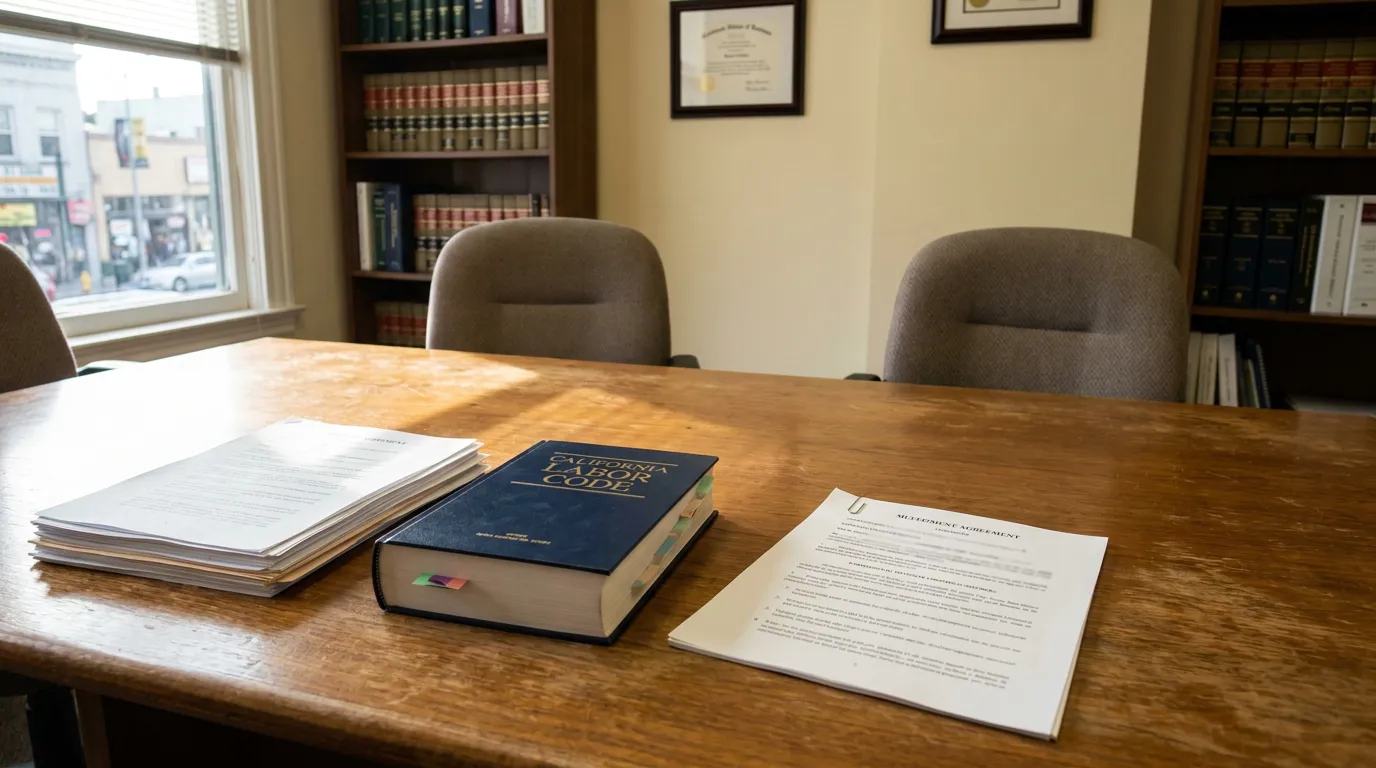
California Labor Code § 2751 obligates employers to provide commission-based employees with a written contract describing the method used to calculate and pay commissions. The statute requires the employer to give the employee a signed copy and obtain a signed receipt. Section 2751 does not specify a penalty for noncompliance; however, the writing requirement reflects legislative preference for documented pay terms over handshake understandings, and a missing agreement can matter considerably as evidence.
The current version of Labor Code § 2751, enacted by AB 1396, has applied since January 1, 2013. Noncompliance tends to surface when commissioned employees leave the company, which is why the statute matters so much in severance discussions.
The Statutory Definition of a "Commission"
Not every variable payment is a commission under California law. Commissions are compensation for services in selling the employer’s property or services, based proportionately on the amount or value sold, distinguishing them from discretionary bonuses tied to company performance. Section 2751 expressly excludes short-term productivity bonuses, temporary variable incentive payments that only increase payment under the written contract, and bonus and profit-sharing plans, unless the employer offers a fixed percentage of sales or profits as compensation.
If your plan labels a payment a "bonus" but calculates it as a percentage of closed deals, the label may not control. Courts and the Labor Commissioner may examine how the payment actually functions, making this analysis fact-dependent.
A Broader Pattern in California’s Writing Requirements
California repeatedly requires employment-related agreements be reduced to writing. The statutory framework governing the employment relationship reflects consistent policy: key pay and service terms should be documented and signed. Understanding this pattern helps explain why a missing commission contract carries weight.
How a labor code 2751 commission agreement Affects Your Severance Leverage
Most severance agreements are standardized, and negotiable value often sits in financial terms rather than legal recitals. Release language, confidentiality clauses, and non-disparagement provisions are frequently similar company to company, though their scope deserves careful review. What often changes materially is money: unvested equity, bonuses you were terminated before earning, and commissions on deals you sourced or closed but were not yet paid.
A labor code 2751 commission agreement is often the fulcrum of that conversation. If the written plan clearly states when a commission is "earned," parties can measure what is owed. If no written plan exists, or if the plan is silent on post-termination payment, the employer may struggle establishing that nothing is owed, though employees still bear the burden of proving unpaid wage amounts.
What High Earners Typically Stand to Lose
Departing employees with total compensation around $150,000 or more frequently discover that the largest dollars in play are not severance weeks offered, but amounts already generated but not yet disbursed:
- Commissions on closed deals with payment dates after separation
- Commissions on pipeline deals the plan may or may not credit post-termination
- Equity that would have vested shortly after termination
- Annual or quarterly bonuses tied to payment dates narrowly missed
- Accelerated vesting provisions triggered by termination without cause
💡 Pro Tip: Before you sign anything, gather every version of your commission plan, offer letter, quota letters, plan amendments, and the last twelve months of commission statements. These documents are frequently harder to obtain after system access is cut off.
Common Problems Employees Find in Their Commission Contract
A frequent issue is not the absence of a document but the presence of a poorly drafted one. Many commissioned employees receive a plan defining quotas and rates but never defining when a commission becomes "earned." Others contain forfeiture clauses stating that no commission is paid unless the employee is actively employed on the payment date.
California courts have held that wages already earned cannot be forfeited, but they have also enforced conditions that must be satisfied before a commission is earned. Enforceability depends heavily on specific plan language and facts. The analysis turns on when compensation was earned under the plan and whether the condition is genuinely tied to future services.
| Plan Feature | Why It Matters at Separation |
|---|---|
| Definition of "earned" commission | Determines whether post-termination payments are wages already owed |
| Active-employment-at-payout clause | May be used to deny commissions on completed sales |
| Chargeback or clawback terms | Can reduce final amounts for cancellations or refunds |
| Draw against commission | Affects whether the employer claims a negative balance |
| Signature and acknowledgment page | Missing signature may support a § 2751 compliance argument |
Overtime Exemption and Written Commission Terms
Written commission terms also intersect with California’s commissioned salesperson overtime exemption. Under Wage Orders 4 and 7, a salesperson generally must earn commissions exceeding half of total compensation and earn at least one and one-half times state minimum wage for all hours worked to qualify for this exemption. As minimum wage rises, employers must review whether salespeople still satisfy the threshold.
If the written plan is unclear about commission computation, it becomes harder for the employer to establish the exemption applied, and the employer bears the burden of proving exemption qualification. This can open parallel unpaid overtime inquiries. Our California wage and hour laws guide explains how these classification issues are analyzed.
When Timing Turns a Commission Dispute Into a Termination Claim
Suspicious timing can be evidence that a separation involved more than a business decision, though timing alone is rarely sufficient. Employees terminated shortly after filing workers’ compensation claims, raising safety or unlawful-conduct concerns, or returning from protected leave sometimes see sudden performance improvement plans followed by termination. California law generally requires a connection to a protected category or protected activity, and harassment claims typically require severe or pervasive conduct.
When that timing also lands just before a large commission or vesting date, both the compensation question and termination question may be in play. If you believe your separation was connected to protected activity, a labor code 2751 commission agreement lawyer can help assess whether both issues belong in the same negotiation.
Who Enforces California Commission Law
The California Labor Commissioner’s Office, also known as the Division of Labor Standards Enforcement, enforces state laws on wages, hours, and working conditions. Workers claiming unpaid commissions may file a wage claim with the agency. The Labor Commissioner’s wage enforcement office handles these administrative claims. Employees may generally choose between administrative claims and civil actions, and unpaid commissions that are earned wages may support waiting time penalties under Labor Code § 203 when not paid at separation.
Administrative wage claims involve different procedures and deadlines than civil lawsuits. Filing one does not automatically preserve every claim. Generally, written contract claims carry a four-year deadline, statutory wage claims three years, and oral contract claims two years, while discrimination and retaliation claims involve their own administrative filing requirements.
💡 Pro Tip: Do not assume a severance release covers only the severance payment. Many releases waive wage claims, so unpaid commission amounts should be resolved or expressly carved out before signing.
Frequently Asked Questions
1. Does my employer violate the law if I never received a written commission plan?
Labor Code § 2751 requires a written commission contract explaining calculation and payment method, with a signed copy to the employee. The absence of a compliant written agreement does not automatically establish damages, but it can significantly affect available evidence showing what was promised.
2. Can my employer refuse to pay commissions on deals that closed before I was fired?
It depends on when the commission was earned under the governing plan. If every earning condition was satisfied before separation, a forfeiture clause may face scrutiny; if the plan conditions earning on continued service or events that had not yet occurred, the employer’s position may be stronger.
3. Are bonuses treated the same as commissions?
Generally not. Commissions are based proportionately on sales value, while bonuses are often discretionary or tied to overall performance metrics. Non-discretionary bonuses, however, are still wages and can affect the regular rate used to calculate overtime.
4. Should I sign a severance agreement while commissions are still pending?
Signing before pending commission wages are addressed can limit your ability to pursue them later. Because most severance terms are standard, meaningful negotiation usually concerns financial items, including commissions, bonus timing, and equity treatment.
5. How long do I have to act?
Different claims carry different deadlines, including separate timelines for civil actions and administrative filings. Because exceptions are applied narrowly and depend on facts, evaluate your options promptly after separation.
Protecting the Compensation You Already Earned
A written commission agreement is not paperwork for its own sake. Labor Code § 2751 exists because commission wages are difficult to prove without documentation, and departing high earners feel that gap most acutely. When you review a severance offer, standardized release language rarely changes the dollar value, though its scope deserves scrutiny. Pending commissions, vesting dates you were about to hit, and bonuses you were terminated before receiving usually do.
If you are a commissioned employee or executive evaluating a severance package in Los Angeles or elsewhere in California, RD Law Group APC is available to review what may still be owed. Call (424) 535-1500 or request a confidential consultation to discuss your next steps.


