


What Counts as Pregnancy Discrimination at a Los Angeles Job?
Pregnancy discrimination occurs when an employer treats a worker unfavorably because of pregnancy, childbirth, or a related medical condition. In Los Angeles, both federal and California state laws offer strong protections for pregnant employees, covering everything from hiring decisions to workplace accommodations to wrongful termination. If you have experienced negative treatment at work after announcing a pregnancy or requesting an accommodation, you may have a legal claim worth pursuing. Speaking with a pregnancy discrimination lawyer early can help you understand your options and protect your rights.
If you believe your employer has discriminated against you because of your pregnancy, RD Law Group APC is here to help. Call (424) 535-1500 or reach out online to discuss your situation.
How Federal and California Laws Protect Pregnant Workers
Both federal and California laws create overlapping protections for pregnant workers, and Los Angeles employees may benefit from multiple layers of legal coverage. Understanding these laws can help you recognize when your rights have been violated and determine what remedies may be available.
The Pregnant Workers Fairness Act (PWFA)
The PWFA went into effect on June 27, 2023, with the EEOC’s final regulation becoming effective on June 18, 2024. This federal law applies to private and public employers with 15 or more employees, which covers most Los Angeles workplaces. It requires covered employers to provide reasonable accommodations for known limitations related to pregnancy, childbirth, or related medical conditions, unless the accommodation would cause undue hardship.
The PWFA goes further than the ADA by requiring accommodations for pregnancy-related limitations that do not necessarily rise to disability status. Conditions like occasional morning sickness or needing to attend health care appointments can trigger the right to an accommodation. Covered conditions also include uncomplicated pregnancies, miscarriage, postpartum depression, lactation, and more. You can learn more through the EEOC’s guidance on the PWFA.
California’s FEHA Protections
Under California’s Fair Employment and Housing Act (FEHA), pregnancy is explicitly listed as a protected category in employment. FEHA applies to employers with 5 or more employees, providing broader coverage than the federal PWFA. It is illegal for such employers to discriminate against job applicants and employees because of a protected category, including sex, gender, pregnancy, childbirth, breastfeeding, or related medical conditions.
California law already requires employers with 5 or more employees to accommodate pregnant workers and provide up to four months (17⅓ weeks) of Pregnancy Disability Leave for employees disabled by pregnancy, childbirth, or a related medical condition. The PWFA adds federal requirements on top of these state protections. FEHA pregnancy discrimination protections cover all business practices, including advertisements, applications, screening, interviews, hiring, promoting, terminating, working conditions, and compensation.
💡 Pro Tip: Keep copies of every written communication with your employer about your pregnancy, accommodations, or leave requests. Emails, text messages, and letters can serve as critical evidence if you need to file a claim later.
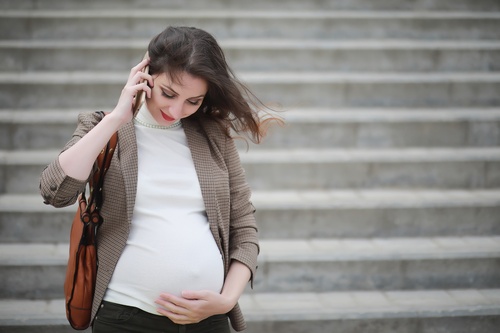
Recognizing Pregnancy Bias at Work in Los Angeles
Pregnancy discrimination does not always look like an outright firing. It can take many subtle forms that are just as illegal. An employer may suddenly give you negative performance reviews after learning about your pregnancy, deny you a promotion, reduce your hours, or exclude you from projects. In some cases, employers pressure pregnant employees to resign or create conditions so difficult that the employee feels forced to quit.
Retaliation is another common violation that pregnant workers face. Employers are prohibited from punishing or retaliating against an employee or applicant for requesting or using a reasonable accommodation. If you asked for a schedule change or additional breaks and then faced discipline, demotion, or termination, that pattern may indicate unlawful retaliation. Pregnancy discrimination remains a persistent concern in LA workplaces, and recognizing warning signs early can help protect your claim.
💡 Pro Tip: Document the timeline of events carefully. If negative employment actions began shortly after your employer learned about your pregnancy or accommodation request, the timing itself may serve as relevant evidence of discrimination.
What Reasonable Accommodations Must Your Employer Provide?
Under both the PWFA and FEHA, employers have a duty to engage in an interactive process and provide reasonable accommodations to pregnant employees. The specific accommodation depends on your job duties and medical needs, but the law provides clear guidance on what employers should generally offer.
Predictable Assessments Under the PWFA
The EEOC established predictable assessments, which are accommodations deemed reasonable in virtually all cases. These include:
- Carrying or keeping water nearby and drinking as needed
- Additional restroom breaks
- The ability to sit when work requires standing, and to stand when work requires sitting
- Breaks to eat and drink as needed
Beyond these baseline accommodations, other reasonable accommodations may include flexible breaks, telework, schedule changes, light duty, uniform modifications, and temporary reassignment. Employers must also temporarily suspend essential job functions if the employee can perform them in the near future, with the determination made on a case-by-case basis considering the relevant circumstances.
| Protection | PWFA (Federal) | FEHA (California) |
|---|---|---|
| Employer Size Threshold | 15+ employees | 5+ employees |
| Covers Limitations Below Disability | Yes | Yes |
| Pregnancy Disability Leave | Not specifically provided | Up to 17⅓ weeks |
| Interactive Process Required | Yes | Yes |
| Reasonable Accommodation Required | Yes, unless undue hardship | Yes, unless undue hardship |
💡 Pro Tip: If your employer claims that an accommodation would cause undue hardship, ask them to explain why in writing. Employers carry the burden of proving undue hardship, and a vague claim may not hold up under legal scrutiny.
When Refusing Accommodations Crosses the Line
Employers cannot require you to take leave if another reasonable accommodation exists that would allow you to keep working. This is a critical PWFA protection that many workers do not know about. If you need a modified schedule or a temporary change in duties, your employer cannot simply send you home on unpaid leave instead.
Employers also cannot request medical documentation in every situation. Under the PWFA, it is not reasonable for an employer to demand medical certification when the limitation and need for accommodation are obvious, when sufficient information has already been provided, when the accommodation involves time or a place to pump or nurse at work, or when the same accommodation is available to other employees without requiring documentation. The California Civil Rights Department provides additional resources on workplace protections for employees facing discrimination.
💡 Pro Tip: If your employer denies your accommodation request or pressures you to take leave, put your objection in writing immediately. A written record showing that you proposed alternatives and your employer refused may strengthen a future legal claim.
How a Pregnancy Discrimination Lawyer Protects Your Claim
Navigating a pregnancy discrimination claim involves both state and federal laws, administrative filing deadlines, and fact-intensive legal standards. A pregnancy discrimination lawyer can help you evaluate your situation, identify which laws apply, and determine the strongest path forward. Whether you are still employed or have already been terminated, early legal guidance can make a significant difference.
Employment discrimination cases involving pregnancy in California often require you to file an administrative complaint before pursuing a civil lawsuit. Timelines for filing can vary depending on the agency and the nature of your claim, and courts generally interpret deadline exceptions narrowly. A trusted wrongful termination Los Angeles attorney can help you preserve your rights and avoid procedural pitfalls that could jeopardize your case.
💡 Pro Tip: Do not wait until after your employer takes final action to seek legal guidance. Consulting an attorney while you are still employed can help you build a stronger record and may open up additional legal remedies.
Frequently Asked Questions
1. Can I be fired for being pregnant in Los Angeles?
No, not lawfully. Under federal law, including Title VII as amended by the Pregnancy Discrimination Act, and California’s FEHA, it is illegal for covered employers to terminate an employee because of pregnancy, childbirth, or a related medical condition. If you believe you were fired for being pregnant, you may have grounds for a wrongful termination claim.
2. What conditions does the PWFA cover beyond pregnancy itself?
The PWFA covers a broad range of related conditions. These include miscarriage, postpartum depression, edema, placenta previa, lactation, and cesarean sections. Protections extend well beyond the period of active pregnancy.
3. Does my employer have to accommodate morning sickness?
In many cases, yes. The PWFA requires accommodations for pregnancy-related limitations that do not rise to disability status, which can include occasional morning sickness. Your employer should engage in the interactive process to identify a reasonable accommodation.
4. How many employees must my employer have for pregnancy protections to apply?
It depends on the law. The PWFA applies to employers with 15 or more employees, while California’s FEHA applies to employers with 5 or more employees. Most Los Angeles workplaces meet at least one of these thresholds.
5. What should I do if my employer retaliates after I request a pregnancy accommodation?
Document everything and seek legal guidance promptly. Retaliation for requesting or using a reasonable accommodation is prohibited under the PWFA. Keep detailed records of your request, your employer’s response, and any negative actions that followed.
Protecting Your Future After Pregnancy Discrimination
Pregnancy discrimination can affect your career, your finances, and your well-being during one of the most important times in your life. California and federal law provide meaningful protections for pregnant workers, but enforcing those rights often requires taking decisive action. Understanding what counts as discrimination, what accommodations you deserve, and when to seek help from a pregnancy discrimination lawyer can put you in a stronger position to protect yourself and your family.
If you are dealing with employment discrimination based on pregnancy in California, RD Law Group APC is ready to stand by your side. Call (424) 535-1500 or contact us today to take the first step toward holding your employer accountable.