


Understanding the Real Value of a Los Angeles Wrongful Termination Claim
Key Takeaways: Yes, a Los Angeles wrongful termination case can settle for six figures when the facts and law align properly. California’s at-will rule means an unfair firing is not automatically actionable; viable claims generally require a link to discrimination, retaliation, a contract, or a violation of public policy. High-value outcomes are driven by strong evidence, suspicious timing, and significant economic harm, with higher earners often seeing larger numbers due to lost wages, unvested equity, and pending commissions. FEHA and California’s strong public policy against discrimination support emotional distress and punitive damages that push cases into six-figure territory. Strict administrative and civil deadlines can preserve or end even a strong claim, so acting promptly is critical. Ultimately, careful documentation and fact-specific review matter far more than any average settlement figure.
Yes, a Los Angeles wrongful termination case can settle for six figures when the facts and law align properly. Large recoveries generally follow from terminations tied directly to a protected category or protected activity, combined with strong evidence and significant financial harm. Understanding what drives high-value cases helps set realistic expectations before negotiations begin.
If you suspect your termination was unlawful, the team at RD Law Group APC is prepared to review your situation. Call us at (424) 535-1500 or reach out through our confidential case evaluation form to discuss your next steps.
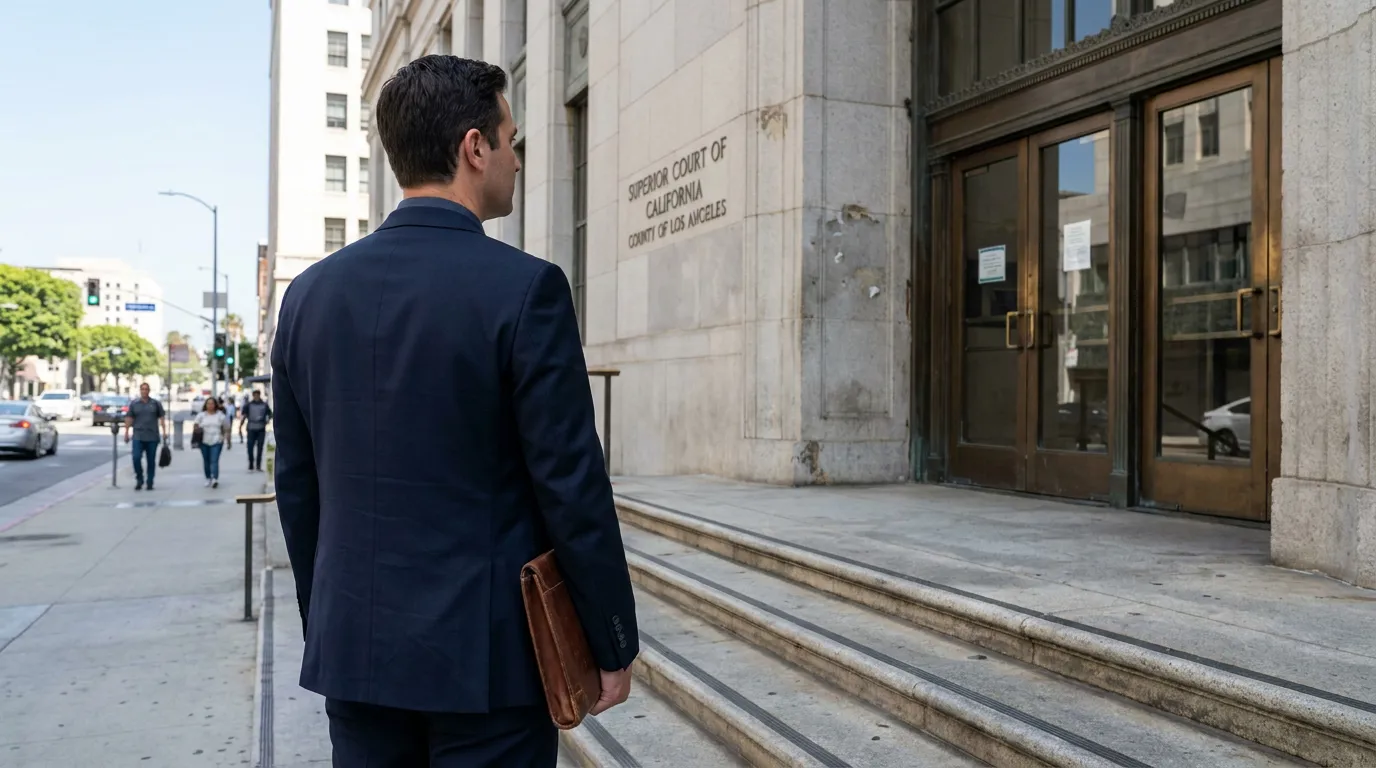
What Separates a Lawful Firing From an Unlawful One
Not every unfair firing is wrongful termination under California law. California follows an at-will employment baseline, meaning either party may generally end the relationship at any time. Under Labor Code § 2922, employment with no specified term is presumed terminable at will, so a harsh or unreasonable boss does not, by itself, create a claim.
A termination becomes legally actionable when it crosses into protected territory. Being fired due to a manager’s personal dislike generally will not support a case unless tied to a protected characteristic or reported protected activity. A viable wrongful termination claim in California typically requires the firing was motivated by discrimination, retaliation, breach of contract, or violation of public policy.
For employees hired for a specified term, California law is narrower. Under Labor Code § 2924, employers may lawfully end fixed-term employment only for willful breach of duty, habitual neglect of duty, or continued incapacity to perform. Terminations outside these statutory grounds may support wrongful termination claims, meaningfully affecting case value in Los Angeles.
Understanding the Wrongful Termination California Average Settlement
There is no single figure that captures the wrongful termination California average settlement because outcomes depend heavily on specific facts. Case value is driven by evidence strength, economic losses, and the type of unlawful conduct involved. Two employees with similar job titles can see very different results based on documentation, timing, and harm severity.
Several categories of monetary recovery commonly shape a California wrongful termination payout. Historical proposals to reform California discharge law — as well as current California statutes such as Labor Code Section 132a and FEHA — contemplate remedies such as reinstatement, lost wages, and fringe benefits, with no statutory two-year cap, illustrating the building blocks courts and parties still consider today.
Common components that influence a Los Angeles wrongful termination settlement include:
- Lost wages and benefits, both past and reasonably projected into the future
- Emotional distress damages, which can be substantial in discrimination cases
- Punitive damages in cases involving especially egregious conduct
- Value of lost equity, unvested stock, or a bonus the employee was terminated shortly before receiving
Higher earners often see the largest numbers because their economic losses are larger. Executives, commission-based professionals, and startup employees with equity may have significant sums at stake in unvested shares, pending commissions, or bonus timing. When a strong liability theory pairs with these financial stakes, a six figure wrongful termination California result becomes more realistic. For a deeper breakdown, our guide on how much compensation you can recover walks through the categories in detail.
💡 Pro Tip: Preserve pay stubs, offer letters, equity vesting schedules, and commission statements immediately after termination. These documents often become the backbone of a wrongful termination compensation demand.
The Legal Foundations That Support a Strong Claim
Most six-figure outcomes in Los Angeles trace back to California’s Fair Employment and Housing Act. FEHA applies to public and private employers, labor organizations, and employment agencies, meaning most Los Angeles workers are covered for discrimination-based claims. This broad coverage is why discrimination and retaliation cases so often anchor high-value wrongful termination cases.
Who Is Protected and Which Employers Are Covered
FEHA’s core protections apply to employers with five or more employees. It is illegal for those employers to discriminate against applicants and employees because of a protected category, or to retaliate against them for asserting their rights. Harassment protections apply to employers with one or more employees regardless of size, broadening the range of viable claims that may factor into settlement value.
A state agency enforces these protections. The California Civil Rights Department is responsible for enforcing state laws that make it illegal to discriminate against or retaliate against employees because of a protected characteristic. California Government Code § 12930(o) empowers that department to effectuate the declared public policy of protecting all persons from unlawful discrimination.
Why Public Policy Matters to Case Value
FEHA claims can support meaningful damages beyond lost wages. Because California recognizes a strong public policy against unlawful discrimination, claims tied to protected characteristics may allow recovery for emotional distress and, in appropriate cases, punitive damages. These additional categories frequently push wrongful termination claims in California into six-figure territory.
Why Suspicious Timing Often Signals a Genuine Claim
Timing is one of the clearest signals that a firing may be unlawful rather than routine. Courts may consider the closeness in time between protected activity and an adverse action as circumstantial evidence of an improper motive. When termination follows suspiciously close to protected conduct, that sequence often becomes central to the case.
Certain patterns tend to stand out. An employee fired shortly after filing a workers’ compensation claim, after raising a safety or illegal-activity concern, or soon after returning from protected leave may have a genuine claim. A common example is an employee placed on a performance improvement plan and terminated roughly a month later, despite no prior performance issues.
Timing alone does not win a case, but it can shift the picture. Courts generally require more than coincidence, and employers frequently offer a lawful reason for the firing. Claim strength often turns on whether that stated reason holds up against the documented sequence of events.
Deadlines That Can Preserve or End Your Claim
Wrongful termination claims are governed by strict deadlines, and missing them can end an otherwise strong case. Discrimination-based claims generally require an administrative charge before a lawsuit. Under the federal framework, the baseline EEOC filing deadline is 180 calendar days from the day discrimination took place, but that window extends to 300 days in a "deferral" state like California, where a state agency enforces a comparable anti-discrimination law. Separate California state deadlines are longer and may differ, so multiple clocks can apply to the same firing.
Administrative deadlines are distinct from civil court deadlines. Filing a charge with an agency is separate from filing a lawsuit, and each carries its own timeline. Some California employment matters allow limited tolling. For example, under Labor Code § 90.6(a), when the Labor Commissioner’s field enforcement unit issues written notice of an investigation, that date is deemed the commencement of an action for limitations purposes, and the period is then tolled for 12 months.
Courts generally interpret tolling and discovery exceptions narrowly. These rules do not apply automatically, and you should not assume a deadline has been extended. Because timing rules can be fact-dependent, speaking promptly with a wrongful termination lawyer in Los Angeles helps ensure your rights are preserved before any window closes.
Building the Kind of Case That Commands Real Value
High-value results usually reflect preparation, not luck. Employees who document events contemporaneously, preserve communications, and identify witnesses tend to present stronger claims. The following steps often make a measurable difference in ultimate wrongful termination compensation.
| Step | Why It Matters |
|---|---|
| Preserve written records | Emails and texts can establish motive and timing |
| Track financial losses | Wages, equity, and bonuses drive damage calculations |
| Note the sequence of events | Suspicious timing supports causation |
| Meet all deadlines | Late claims may be barred entirely |
Strong documentation supports every element of a claim. Proving a termination was unlawful requires connecting the firing to a protected category or activity, then quantifying the resulting harm. The clearer that connection, the stronger your negotiating position.
Frequently Asked Questions
1. Does an unfair firing automatically qualify as wrongful termination?
No. California’s at-will rule under Labor Code § 2922 means many firings are lawful even when they feel unjust. A claim generally requires a link to a protected category, protected activity, contract, or public policy.
2. What kinds of damages can increase a California wrongful termination payout?
Recoverable amounts may include lost wages and benefits, emotional distress, and in egregious cases, punitive damages. For higher earners, unvested equity and pending commissions can significantly raise the total.
3. How soon do I need to act after being fired?
As soon as possible. Discrimination claims generally require an administrative charge within strict deadlines, and California civil deadlines differ from agency deadlines. Acting early helps preserve evidence and protect your filing rights.
4. Does being fired soon after protected activity prove my case?
Not by itself, but it can be powerful evidence. Courts may consider close timing between protected activity and termination as circumstantial proof of an unlawful motive, though employers often offer a competing explanation.
5. Are harassment claims limited to large employers?
No. While FEHA’s discrimination protections apply to employers with five or more employees, harassment protections apply to employers with one or more employees regardless of size.
Putting It All Together
A Los Angeles wrongful termination case can absolutely settle for six figures when the law, evidence, and financial losses align. The strongest claims generally involve a firing tied to a protected category or protected activity, suspicious timing, clear documentation, and significant economic harm. Because every situation turns on its own facts, a general figure for the wrongful termination California average settlement cannot substitute for careful review of your circumstances.
If you believe your termination was unlawful, RD Law Group APC is ready to help you understand your options. Call (424) 535-1500, visit RD Law Group APC to learn more, or schedule your consultation online to protect your rights before critical deadlines pass.


