

A new development in California’s long-running discrimination case against Tesla matters far beyond one employer. On May 27, 2026, the California Civil Rights Department announced that an Alameda County Superior Court order rejected Tesla’s latest effort to derail the state’s lawsuit, leaving the case on track for trial on July 20, 2026. The agency says the case involves allegations of anti-Black harassment, discrimination, retaliation, and failures to prevent those violations at Tesla’s California facilities. California Civil Rights Department announcement
For Los Angeles workers, this news highlights how state enforcement actions spotlight the same legal issues individual employees face daily. When a workplace becomes so hostile, discriminatory, or retaliatory that an employee feels pushed out, the facts may raise questions about constructive termination under California law. This article provides general information, not legal advice.
Why the Tesla ruling matters under California employment law
The court order confirms that a jury, not just motion practice, may decide whether evidence supports systemic discrimination and retaliation claims. According to CRD’s May 27, 2026 press release, the court found factual issues for a jury regarding whether Tesla is liable for anti-Black harassment, discrimination, and retaliation, with trial set for July 20. California Civil Rights Department announcement
California discrimination law reaches beyond explicit firing decisions. The legal framework covers working conditions, compensation, discipline, retaliation, and an employer’s duty to prevent discrimination and harassment. CRD employment materials explain that California law covers hiring, promotion, termination, separation, compensation, and working conditions.
California civil jury instructions help explain the battleground. Under FEHA disparate-treatment claims, a plaintiff generally must prove an employment relationship, an adverse employment action, harm, and that a protected characteristic was a substantial motivating reason for the action. California civil jury instructions for disparate-treatment claims
The legal lens behind the headlines
The state’s Tesla case involves more than offensive conduct. CRD alleges racial slurs, segregation into harder jobs, lower pay for Black workers, retaliation after complaints, and failure to correct ongoing problems despite knowledge. Those allegations, if proven, fit within California’s protections against discrimination, retaliation, and failures to prevent unlawful workplace conduct. California Civil Rights Department announcement
For employees, unlawful pressure at work can become legally significant before a formal firing happens. If an employer cuts pay, ignores discrimination complaints, escalates discipline after protected activity, or creates intolerable conditions, an employee may question whether a resignation was truly voluntary. That is where constructive termination becomes important.
A Los Angeles scenario that feels uncomfortably real
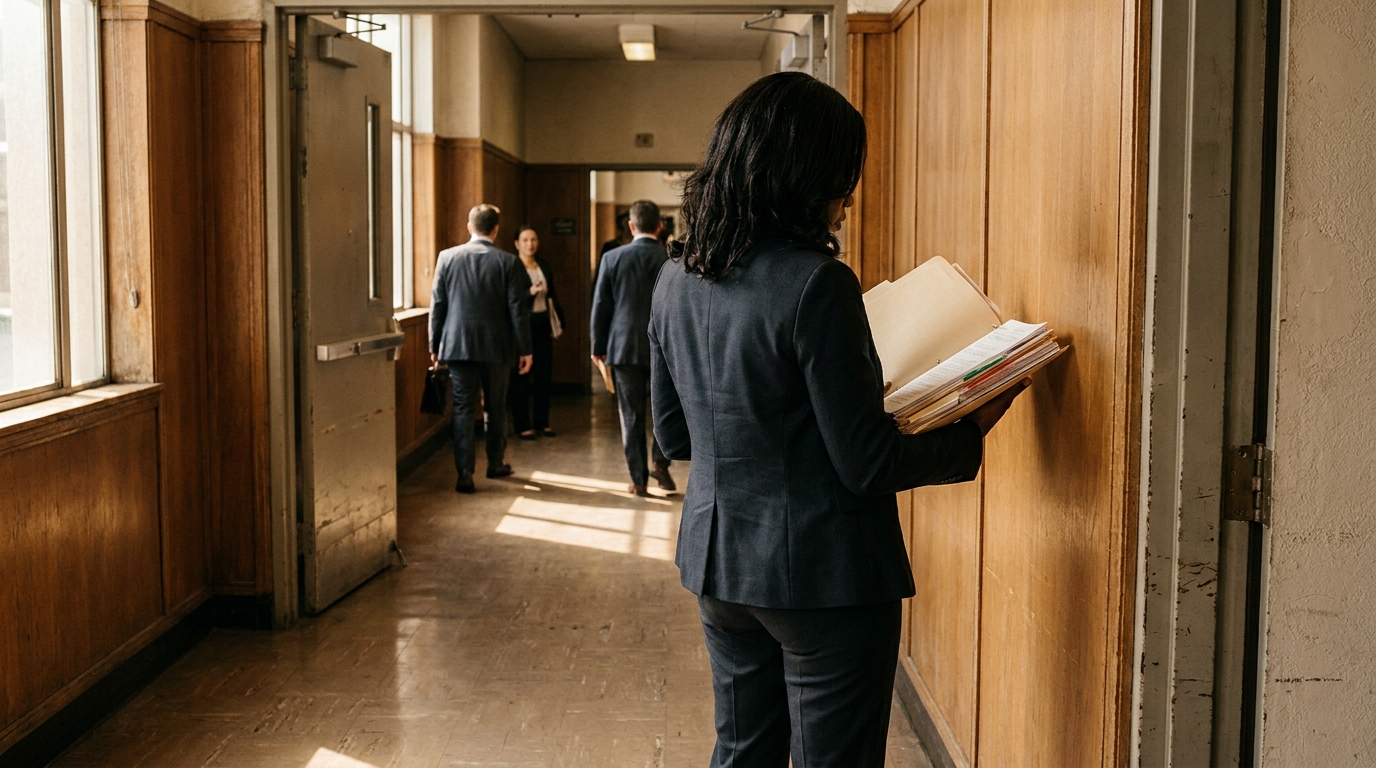
Imagine a warehouse supervisor in Los Angeles who repeatedly reports racial bias and unsafe conditions, only to see everything worsen. After the complaints, she receives harsher write-ups than coworkers, transfers to less favorable shifts, loses responsibilities, and hears warnings that "people who make trouble don’t last here." Her stress mounts. Sleep disappears. Bills pile up.
She resigns because staying feels impossible. From her perspective, she was not simply quitting; she was forced out. In the right factual setting, that resignation may support a wrongful termination claim framed through constructive termination, especially if evidence shows discrimination, retaliation, or public policy violations caused the resignation.
What evidence would matter in that situation?
Documents usually matter more than assumptions. A worker should preserve texts, emails, write-ups, performance reviews, pay records, complaint reports, witness names, medical notes if relevant, and a timeline showing what changed after protected activity or bias reports.
Timing can be powerful evidence, but timing alone is rarely enough. A close sequence between a complaint and sudden demotion, schedule change, pay reduction, or resignation may support causation, yet courts examine the whole record. The strongest cases combine timing with documents, comparators, inconsistent explanations, or proof that management knew about misconduct and failed to fix it.
Constructive termination and why the Tesla case resonates
Constructive termination is not a label for every difficult job. It generally refers to circumstances where working conditions become so intolerable that a reasonable person in the employee’s position would feel compelled to resign. Courts do not treat ordinary workplace friction as enough.
The Tesla case resonates because allegations involve workplace conditions that can push employees toward the exit without a firing memo. CRD’s statement describes alleged racial slurs, lower compensation, retaliation for speaking up, and failure to correct known problems, precisely the facts employees and counsel analyze when evaluating whether a resignation was effectively forced. California Civil Rights Department announcement
Not every resignation is legally "voluntary"
California law looks at substance, not just paperwork. When a resignation follows discriminatory treatment, retaliation, or conditions a reasonable worker could not be expected to endure, the dispute may become whether the employee was unlawfully forced out.
Administrative filings and pleadings often describe a broader course of conduct. A single incident may not suffice, but repeated acts can matter greatly: escalating discipline, denied accommodations, humiliating treatment, pay disparities, discriminatory comments, threats, or retaliation after complaints. For readers understanding the state complaint process, this overview of a CRD complaint process may help frame what happens after a report.
What California employees should watch after a major state enforcement action
Big public cases often influence worker awareness even when they do not change the law overnight. The May 27 order did not rewrite FEHA, but it highlighted that state agencies continue pursuing systemic workplace discrimination cases and that courts may allow juries to resolve disputed facts. California Civil Rights Department announcement
For Los Angeles employees, several practical warning signs deserve attention:
- Retaliation after complaints about discrimination, harassment, wage issues, or unsafe conditions
- Sudden negative reviews appearing after years of stable performance
- Demotions, transfers, or pay changes without consistent business explanation
- Repeated discriminatory comments by coworkers, supervisors, or managers
- Management inaction after internal reports or HR complaints
- Pressure to resign instead of allowing fair investigation or correction
Those facts do not automatically prove liability, but they shape how a claim is evaluated. They may affect whether the issue is framed as wrongful termination, retaliation, discrimination, failure to prevent discrimination, or constructive termination tied to an allegedly coerced resignation.
Deadlines still matter, and exceptions are narrow
One of the biggest risks for employees is waiting too long. California and federal employment claims involve administrative deadlines that differ from civil court filing deadlines, and the right timeline depends on the claim, forum, and facts.
At the federal level, the EEOC says a discrimination charge generally must be filed within 180 days, extending to 300 days in states like California with agencies enforcing similar anti-discrimination laws. Courts and agencies may interpret tolling and delayed-discovery arguments narrowly. EEOC time limits for filing a charge
California workers must keep separate concepts separate. Administrative filing deadlines differ from civil statutes of limitations. If resignation followed escalating unlawful conduct, prompt legal review usually provides more options.
How recent CRD activity fits into a broader pattern
The Tesla announcement did not appear in a vacuum. CRD’s news page shows continuing 2026 public activity around employment rights and enforcement, including recent workplace-related resources. That context reinforces that California regulators remain active in monitoring employment civil-rights issues. CRD employment materials
For workers, state agency activity can validate concerns many dismiss as "just how workplaces are." Repeated bias, retaliation after complaints, unequal pay, and failure to stop misconduct are not merely management style issues if facts support unlawful motive or inaction. Employees exploring a Los Angeles wrongful termination lawyer often start there: what happened, who knew, what changed, and when?
How Does This Impact Me?
What does the Tesla ruling mean for my own case?
It does not automatically change your rights, but it underscores how seriously California treats workplace discrimination and retaliation allegations. The order shows that when there is sufficient evidence, courts may allow juries to decide disputed facts. If your resignation followed discriminatory or retaliatory treatment, the case may be worth evaluating through the lens of constructive termination.
If I resigned, can I still have a claim?
Possibly, yes. A resignation does not always end the analysis if facts suggest you were effectively forced out by intolerable conditions tied to discrimination, retaliation, breach of contract, or public-policy violations. Whether a resignation qualifies as constructive termination depends heavily on evidence and context.
Does this news change my deadline to file?
No public report about the Tesla case changes filing deadlines for individual employees. Deadlines depend on the claim and forum. Possible tolling or discovery-rule arguments may exist in limited circumstances, but courts often read those exceptions narrowly.
What should I do if I think I was pushed out?
Start by preserving evidence and building a timeline. Keep copies of emails, texts, write-ups, pay records, internal complaints, witness names, and documents showing what happened before and after protected activity. Avoid deleting messages or relying only on memory.
Should I file with a government agency or go straight to a lawyer?
That depends on your facts, timing, and goals. Some claims require or benefit from an administrative process first, while others demand immediate strategic review because deadlines run quickly. A lawyer can help you understand whether agency filing, settlement discussions, or litigation planning makes sense for your situation.
What this development means going forward
The May 27, 2026 Tesla ruling is a practical reminder for California workers. When an employer’s alleged conduct involves discrimination, retaliation, unequal treatment, or failure to prevent unlawful conditions, the legal analysis may extend beyond whether a termination letter was issued. In some cases, the real question is whether the employee was unlawfully forced to leave.
For people in Los Angeles dealing with sudden job loss, resignation under pressure, or escalating mistreatment after speaking up, speed and documentation matter. Constructive termination claims are fact-intensive, deadline-sensitive, and never guaranteed. But when facts support them, they can provide an important path for workers seeking accountability under California law.
If this recent development raises questions about your own situation, RD Law Group APC may be able to provide more information about the next steps. You can call [(424) 535-1500]((424) 535-1500) or contact us today to discuss your circumstances and learn more about your options.


